Shame Defined
Shame Defined
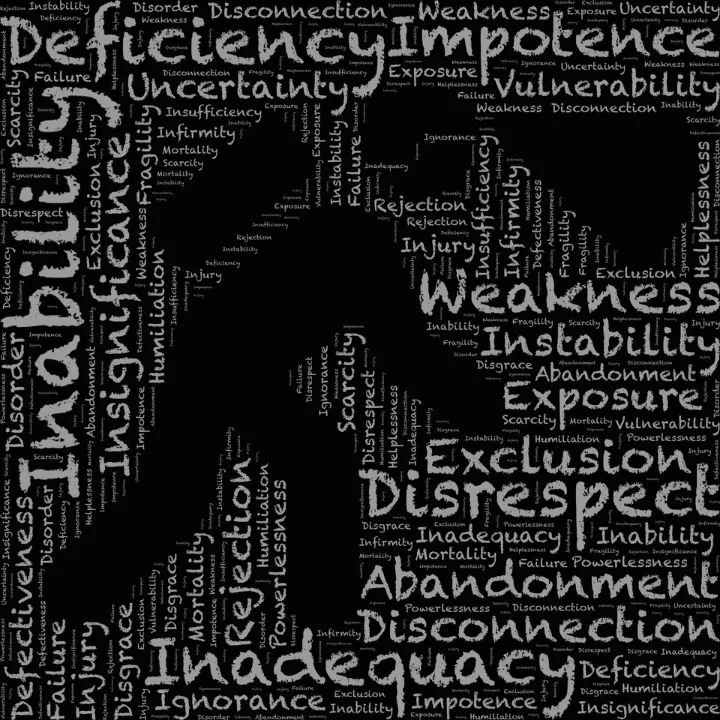
Experiences of trauma leave many victims with feelings of shame. But what is shame exactly, and how is it different from other painful emotions? Shame is often that voice in their head telling them they are unworthy, disgusting, terrible, or irredeemable. Shame thrives on secrecy and will do anything it can to stop its story from being shared. Merriam-Webster’s dictionary defines shame as “a painful emotion caused by consciousness of guilt, shortcoming, or impropriety; a condition of humiliating disgrace or disrepute; or something that brings censure or reproach.”
Shame and guilt are related, self-conscious emotions, often associated with real or perceived moral failures. Guilt is a feeling you get when you did something wrong or perceived you did something wrong, conflicting with your conscience. Shame is a feeling that your whole self is wrong, and it may not be related to a specific behavior or event. Therefore guilt is focused on the behavior or deed and shame is focused on the person.
When you feel guilty about the wrong thing you did, you can take steps to make up for it and put it behind you. But feeling shame, or being convinced that you are the “thing” that's wrong, offers no clear-cut way to "come back" to feeling more positive about yourself. Shame can leave you feeling defective, unacceptable, and even damaged beyond repair.
Researcher, Brené Brown, has done pioneering work in the area of shame. In her book, The Gifts of Imperfection, she talks about how shame tries to taunt us with “You’re not good enough” and “Who do you think you are?” While guilt says, “I did something bad”, shame says, “I am bad”. Understanding the difference between shame and guilt is one of the most important steps toward healing.
Signs of Shame
Recognizing the signs of shame in adults can be surprisingly difficult since shame is very good at hiding.
Feeling sensitive
Feeling unappreciated
Feeling used or rejected
Being worried about what others think about you
Worrying that you aren’t treated with respect
Feeling like others take advantage of you
Wanting to have the last word
Not sharing your thoughts or feelings because you are afraid to be embarrassed
Being afraid to look inappropriate or stupid
Being more worried about failure than doing something immoral
Being a perfectionist
Feeling like an outsider or that you are different or left out
Feeling suspicious or like you can’t trust others
Being a wallflower or shrinking violet
Wanting to shut people out or withdraw
Feeling that you can’t be your true self
Trying to hide or be inconspicuous
Losing your identity
Feeling inadequate
Feeling dishonorable

The Shame Quiz
Could shame be holding you back?
Take this free quiz and find out today!
Causes of Shame
When there is a history of childhood shame and trauma, neglect, or not being able to live up to overly high standards (set by self or others), being bullied, or being rejected by others, shame is often one of the many consequences. While feelings of shame are normal and natural, when it is excessive and last for extended periods, it becomes problematic.
Negative impacts of shame include:
Feeling like you are flawed
Social withdrawal
Addictions/addictive behaviors
Defensiveness and shaming others
Bullying others
Inflate your ego to hide the belief that you don’t have value (narcissistic personality)
Physical health problems
Depression and sadness
Feeling empty, lonely, or worn out
Lowered self-esteem
Inability to trust other people
Feeling as though you are being judged
Perfectionism or overachievement
People pleasing
Avoid talking for fear of saying the wrong thing
Compulsive or excessive behaviors.
Excessive shame often leads to risky behaviors as coping skills to guard against being hurt and to make oneself feel better. While the risky behaviors are unhealthy, it is often the only way a person is able to “prove” to him/herself that they deserve to feel better. In this vicious shame cycle, you feel shame, engage in risky behaviors, and have more feelings of shame. Feelings of shame can be linked to traumatic experiences in our life. In our blog, “Trauma and Shame,” we explore some of the causes.
Frequently Asked Questions About Shame
What is the difference between shame and guilt?
Guilt is a feeling you get when you did something wrong or perceived you did something wrong. Shame is a feeling that your whole self is wrong, and it may not be related to a specific behavior or event. Guilt is focused on the behavior or deed. Shame is focused on the person. When you feel guilty you can take steps to make up for it and move forward. Shame, on the other hand, can leave you feeling defective, unacceptable, and even damaged beyond repair.
What are common signs of shame?
Shame can show up in many ways. You might find yourself withdrawing from others, struggling with perfectionism, people pleasing, or feeling like you can never quite be your true self. Sometimes it looks like sensitivity to criticism, difficulty trusting others, or a persistent feeling that you are somehow different or less than everyone else.
Where does shame come from?
Shame often has its roots in childhood. When there is a history of trauma, neglect, bullying, or impossibly high standards, shame can become deeply ingrained. Because children cannot separate their feelings from their identity, painful experiences and invalidated emotions can lead them to conclude that they themselves are the problem rather than the circumstances around them.
Is shame a normal emotion?
Yes. Feeling shame is a natural and common human experience that begins as early as infancy. The difference between normal shame and toxic shame is duration and intensity. When shame becomes excessive and persistent it can begin to drive destructive patterns in relationships, emotions, and behavior. That is when it becomes important to address it.
Understanding how shame affects your life is the first step toward change. To see how shame can develop into a destructive pattern, read Stuck in the Shame Cycle. When you are ready to take action, Overcoming Shame walks you through practical steps forward.
Sometimes the hardest part is knowing where to begin. The Shame Quiz is a simple first step toward understanding how shame may be quietly running the show.
If you are ready to go beyond the quiz, I would love to connect.
Last reviewed and updated March 2026
References:
Breggin P. Guilt, Shame, and Anxiety: Understanding and Overcoming Negative Emotions. New York: Prometheus; 2014.
📍 Eleanor Brown, MA, LPC — faith-based therapist in Central Texas
💻 Serving clients across Killeen, Texas and Miami, Florida via telehealth