Why Do I Feel Stuck in the Past?
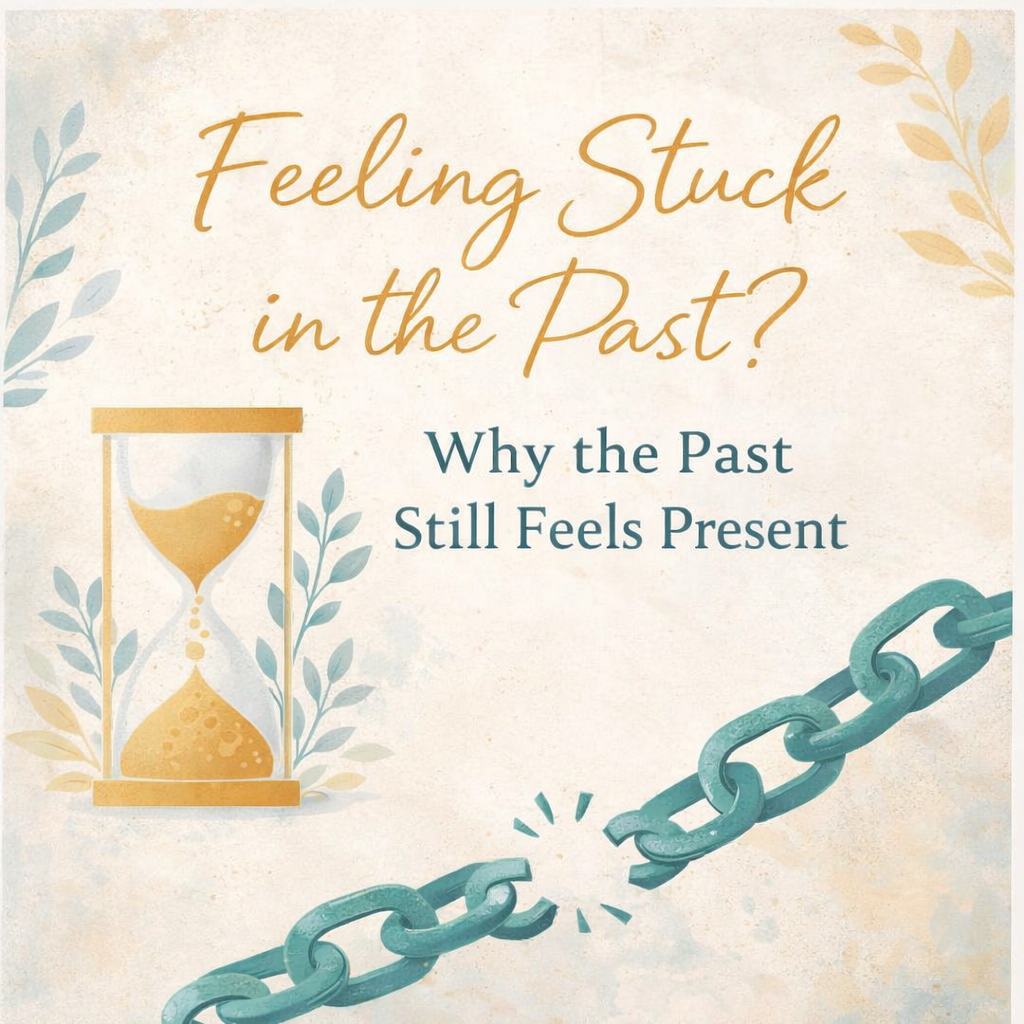
Many people come to therapy feeling confused and frustrated. They know they’ve survived hard things. They may have built a life, a family, or a career. And yet, something still feels stuck. They find themselves repeating the same relationship patterns, reacting more strongly than they want to, or feeling pulled back into emotions they thought they had already worked through. Often, they tell me, “I don’t understand why this still affects me,” or “I feel like I should be past this by now.”
Feeling stuck in the past doesn’t mean you’re broken, weak, or failing at healing. It often means your mind and body learned important lessons during earlier seasons of life, especially around safety, connection, and trust, and those lessons are still shaping how you respond today. Understanding why this happens is the first step toward real, lasting change.
Why Do I Feel Like I Can’t Let Go of the Past?
Many people feel frustrated with themselves when they realize they still feel stuck in the past, even after years of trying to move forward. They’ll say things like, “I’ve forgiven,” “I’ve talked about it,” or “I know better now, so why does this still show up?” It’s common to assume that letting go should be a decision. Something you do once and move on from. But for most people, that’s not how healing works.
Letting go is not a single choice. It’s a process, and often one we have to return to again and again.
One reason the past can feel so present is because your nervous system learned how to protect you long before you had words for what was happening. When you went through difficult or unsafe experiences, especially earlier in life, your body adapted. It learned what to watch for, how to stay alert, when to shut down, or when to react quickly. These were not bad choices. They were survival responses.
Even when life is calmer now, the body doesn’t always recognize that right away. Your mind may know you’re safe, but your body may still be operating from old information. This is why you can feel pulled back into old emotions, reactions, or relationship patterns even when you don’t want to be. The body simply hasn’t caught up with the present yet.
This is also why people often blame themselves. They think, “If I really healed, this wouldn’t bother me anymore.” But what’s often happening is not a lack of effort or insight. It’s a learned response that hasn’t had the chance to fully release. The body carries those experiences with us, and working through them takes time, patience, and support.
Healing doesn’t mean erasing the past. It means helping your nervous system learn that it no longer has to stay on high alert. Over time, with the right kind of care, those old responses can soften, and your body can begin to feel safer in the present.
Why Am I Still Holding On to the Past?
When people ask, “Why am I still holding on to the past?”, they’re often blaming themselves. They assume staying connected to the past means they are choosing it or refusing to move forward. In reality, this lingering attachment usually means something inside you is still trying to keep you safe.
From an attachment perspective, many of our earliest experiences taught us how connection works. If care was inconsistent, overwhelming, or emotionally unsafe, your nervous system learned strategies to survive. For some people, that looks like anxious attachment, staying alert to signs of rejection or abandonment. For others, it looks like avoidant attachment, pulling back or shutting down to stay protected. Some people experience a mix of both, often called disorganized attachment.
These patterns are not flaws. They are learned responses that once made sense.
When the past continues to stay close, it often means a part of you is still doing its job. It may be trying to prevent more hurt, avoid abandonment, or keep you from feeling overwhelmed. Even when those old strategies no longer help, your body and nervous system don’t automatically know that. They rely on these patterns because letting go once felt unsafe.
This is why people can feel stuck in the past even when they deeply want change. The past may still be shaping how you relate, how you respond to stress, or how safe you feel in close relationships. These patterns often show up as anxiety, emotional distance, overthinking, or feeling on edge in relationships.
In therapy, especially in anxiety counseling and trauma counseling, the goal is not to force yourself to let go. It’s to understand what you’re still carrying and why. When those protective patterns are met with compassion instead of judgment, they no longer have to work as hard. Over time, the nervous system can learn new ways of relating that feel safer and more connected.
In my book, A Better Way: Integrating Faith and Psychology to Heal Inner Wounds, I share how I joined the Army in an attempt to escape my past. At the time, it felt like the safest option. Distance seemed easier than healing. But what I eventually learned is that while we can change environments, the patterns shaped by earlier experiences often come with us. The chapter titled “I’m in the Army Now” explores how staying emotionally guarded can become a way of life, especially when safety and connection were uncertain early on. These patterns are not failures. They are protective responses that once made sense.
If you’re starting to recognize these patterns in yourself and wondering how healing actually unfolds, you don’t have to figure that out on your own. I created The A Better Way Guide to help people understand why they feel stuck in the past and how healing can happen in clear, manageable steps. It’s a gentle starting point for those who want insight without pressure.
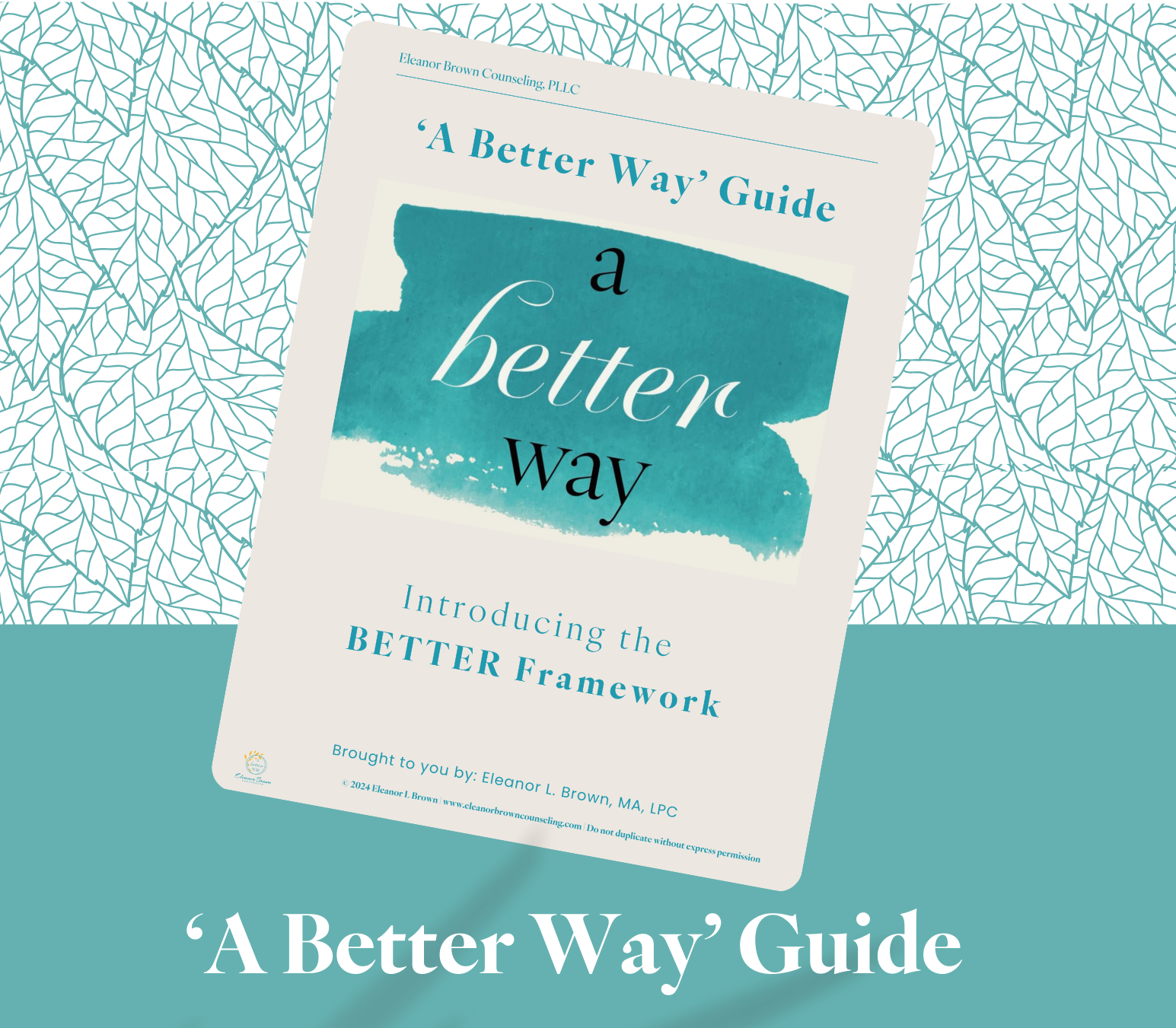
If you feel stuck in the past, you’re not alone.
The A Better Way Guide helps you understand why patterns repeat and how healing can begin.
What Are the Signs of Stored Trauma?
Stored trauma doesn’t always look dramatic or obvious. Most people don’t walk around thinking, “This is trauma.” Instead, they notice patterns that feel confusing, exhausting, or hard to explain.
One common sign is repeating relationship struggles. You may find yourself ending up in similar situations over and over again, even with different people. It can start to feel like everyone else is the problem. And sometimes, that may be true. But other times, stored trauma is quietly shaping how safe, connected, or guarded you feel in relationships.
Another sign is having strong emotional reactions that feel bigger than the moment. You might feel overwhelmed, shut down, anxious, or flooded, even when the situation doesn’t seem to call for it. This isn’t about being dramatic or overly sensitive. It’s often a sign that your body is responding to something familiar from the past, not just what’s happening right now.
You may also notice chronic anxiety, overthinking, or a constant sense of being on edge. Some people feel restless and alert all the time, while others feel numb or disconnected. Both can be signs that your nervous system learned to stay in survival mode for too long.
It’s important to say this clearly: noticing stored trauma is not about blaming yourself. Many people fall into the trap of turning this inward and thinking, “So this is my fault.” That kind of self criticism only deepens the cycle and reinforces the very patterns you’re trying to understand. Stored trauma develops as a response to experiences you didn’t choose, often when you were doing the best you could with what you had.
Recognizing these signs isn’t about labeling yourself. It’s about creating understanding. And understanding is what opens the door to healing.
Why Being Stuck Does Not Mean You Lack Faith
Many people quietly wonder if feeling stuck means something is wrong with their faith. They may think, If my faith were stronger, I wouldn’t still struggle like this. Over time, this belief can turn into a quiet sense of spiritual failure, even when no one says it out loud.
Struggle is not a sign that you lack faith. It is often a sign that something inside you still needs care, safety, and understanding.
Faith was never meant to rush the healing process or bypass pain. Scripture is filled with people who wrestled, questioned, and struggled while still being deeply loved by God. Healing often unfolds slowly, through compassion, support, and honest reflection, not through pressure or self correction.
When painful or overwhelming experiences shape the nervous system, the body may continue to react as if those moments are still happening. That does not mean you are failing spiritually or doing healing wrong. It means your system learned to survive, and relearning safety takes time.
For many people, faith becomes a steady presence in the healing process, not a measuring stick. It can offer hope and grounding while deeper work takes place. Being stuck does not mean you lack faith. It often means you are in the middle of healing.
Moving Forward With Compassion
If you’ve seen yourself in this post, I want to say this clearly: feeling stuck in the past does not mean you’ve failed, fallen behind, or missed something important. It often means your mind and body are asking for care, understanding, and support.
Healing doesn’t happen through self blame or pressure. It happens through compassion, curiosity, and learning to meet yourself where you are. Whether that journey includes therapy, faith, or both, you don’t have to walk it alone.
As a therapist who offers faith-based counseling, I work with individuals who feel stuck, overwhelmed by anxiety, or caught in repeating patterns and want a space where both emotional healing and faith are respected. If you’re curious about working with a therapist who integrates emotional healing and faith, schedule a free consultation to see if it feels like a good fit. Healing doesn’t require rushing, just a safe place to begin.
📍 Eleanor Brown, MA, LPC — faith-based therapist in Central Texas
💻 Serving clients across Killeen, Texas and Miami, Florida via telehealth